THE USEFUL BITS
Before you set out
- Pair your craft with materials you can collect on your normal route.
- Look for your first camp contribution at profession skill 20, not character level 20.
- Make one useful item before committing to a large skill-up shopping list.
What you’ll need
- Choose a goal: useful equipment, consumables, gathering or helping friends.
- Check the recipe and tool requirements on your character before buying materials.
- Keep enough money for the training and supplies your next quest session needs.
Which professions should you choose?
Start with something you want to make or gather. These pairings keep the supply chain simple. They are practical suggestions, not a ranking of profit or class power.
A craft is useful when you can learn it, afford it and use its result. Compare an item with your actual equipment before turning a bag of materials into a skill number.
| Your goal | Pairing to consider | First useful step |
|---|---|---|
| Metal weapons and armour | Mining + Blacksmithing | Compare a learned copper weapon or armour recipe with a weak equipment slot. |
| Leather equipment | Skinning + Leatherworking | Collect leather from quest beasts and save it for an item you can wear. |
| Potions and other supplies | Herbalism + Alchemy | Choose a learned consumable that helps during ordinary questing. |
| Tools and gadgets | Mining + Engineering | Check a device’s use and skill requirements before spending your ore. |
| Cloth equipment and bags | Tailoring + a profession you enjoy | Keep cloth for a useful item or bag. Tailoring does not require a gathering partner. |
For arrangements across a guild, our other project’s RaidMuster profession planning guide helps you coordinate preferences and responsibilities.
A first craft you can check at the trainer
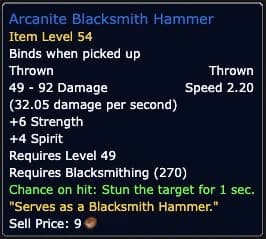
For Blacksmithing, the current beta database lists Copper Mace at skill 15, Copper Axe at 20 and Copper Shortsword at 25. Each uses six Copper Bars and two Weak Flux and is marked as trainer taught. That gives a new smith a concrete starting comparison without buying an entire 1–300 shopping list.
Check the weapon type your character can use, its level requirement and the trainer’s current menu. We have checked the database entries, not bought these recipes on every race. A weapon you cannot equip is a poor first project even when it grants skill.
Learn professions during a town visit
Group training, tools and supplies with a quest hand-in whenever you can. Wisp’s written race routes include authored trainer visits and optional profession stops. Select your race, read the next town chapter and check the live trainer menu before making a separate trip.
The 24 September notes specifically fix learning Skinning from Helene Peltskinner in Elwynn while you have a quest with her. If that blocked your Human route, update the client and try the training option again.
Your first Camping milestone is skill 20
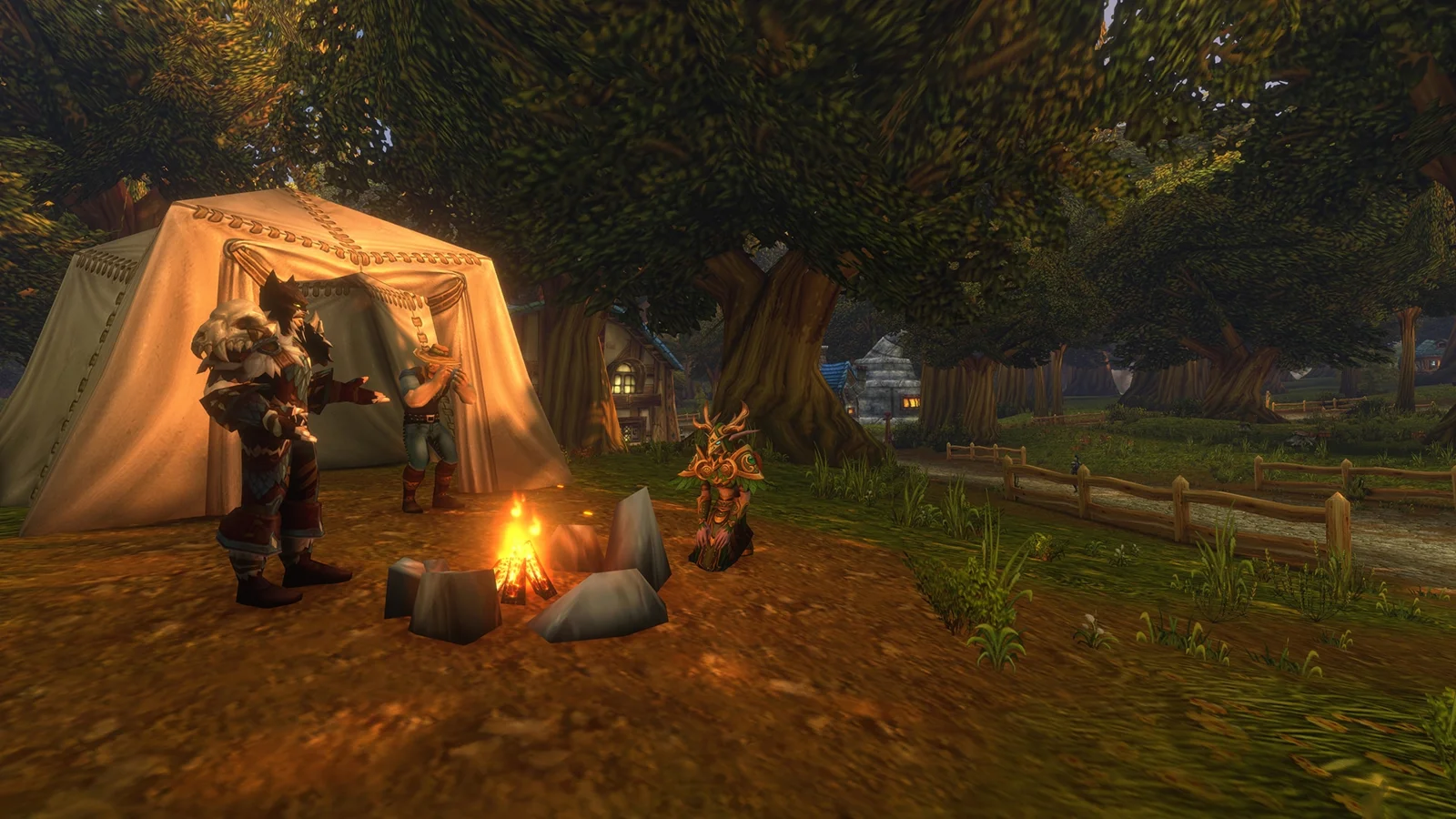
Blizzard places the first profession camp objects at profession skill 20. Learn them from an introductory Camping NPC or a profession trainer. A Basic Campfire accepts three objects, with one contribution per player and a shared one-hour object cooldown.
Blacksmiths can contribute a Sharpening Wheel, Tailors a Faction Banner and Herbalists an Incense Candle. Their buffs do not stack with the corresponding class buffs. Advanced recipes use dungeon-boss Blueprints.
The 24 September patch allows crafting and spellcasting while waiting for camp buffs. Sitting, sleeping, lying down or kneeling can qualify. Check that your character receives the buff before leaving.
Keep profession progress part of the journey
Before leaving town, choose one next craft and keep its ingredients. Gather nearby materials during quests, then train and craft on the return. If a node takes you far from the route, carry on and try the next one.
With friends, agree who is saving which materials. Before a camp stop, choose different useful contributions rather than bringing several copies of the same buff. Leave bag space for quest items and avoid turning a short evening into a supply trip.
Check one recipe before buying in bulk
Use a current recipe entry to plan, then confirm its access, ingredients and output in your client. A database can include an item whose recipe is not obtainable yet. The cheapest published skill route may also use a price model that differs from your actual market.
Keep ingredients you own separate from those you need to buy. Craft a small batch, use or sell the result, and decide whether another batch is worthwhile. Before dropping a profession, check what progress and recipes you would lose.
- Can I learn and use this recipe now?
- Do I have the required tool or workspace?
- Will I use the result or sell it?
- What else do these materials buy me?
Review notes
Recheck after profession changes and recorded trainer or recipe tests.
Guide version 1.1.0 · Forever beta · sources checked 26 September 2026